
Security cameras are one of the most effective tools for protecting a business—but not all systems are designed for commercial use.
For businesses in Jackson, MS, choosing the right surveillance system comes down to more than just image quality. It’s about coverage, reliability, and how the system supports daily operations.
Why Businesses Need More Than Basic Camera Systems
Many businesses start with off-the-shelf camera systems, only to realize their limitations over time.
Common issues include:
- Blind spots in coverage
- Poor image quality in low light
- Limited storage or playback capability
- No integration with other security systems
Commercial environments require systems that are built for continuous use, larger spaces, and higher risk exposure.
Key Features of a Commercial Security Camera System
A properly designed business surveillance system should include:
High-Resolution Video
Clear, detailed footage is critical for identifying:
- Individuals
- Vehicles
- Incidents
Most modern commercial systems use HD or 4K cameras for improved clarity.
Night Vision & Low-Light Performance
Many incidents occur after hours. Cameras should perform reliably in:
- Low-light conditions
- Complete darkness
Infrared and low-light technology ensure visibility at all times.
Wide Coverage & Strategic Placement
Effective systems are designed to eliminate blind spots and cover:
- Entry and exit points
- Parking lots and perimeters
- Interior high-traffic areas
Proper placement is just as important as the equipment itself.
Remote Access & Mobile Viewing
Business owners and managers should be able to:
- View live footage
- Review recorded video
- Receive alerts
All from a mobile device or desktop platform.
Video Storage & Retrieval
Commercial systems must store footage securely and allow for easy retrieval.
Options include:
- Local storage (on-site recorders)
- Cloud-based storage
- Hybrid systems
Retention periods vary based on business needs and compliance requirements.
Types of Security Cameras for Businesses
Different environments require different types of cameras.
Dome Cameras
- Common for indoor use
- Discreet and vandal-resistant
Bullet Cameras
- Ideal for outdoor use
- Visible deterrent with long-range capability
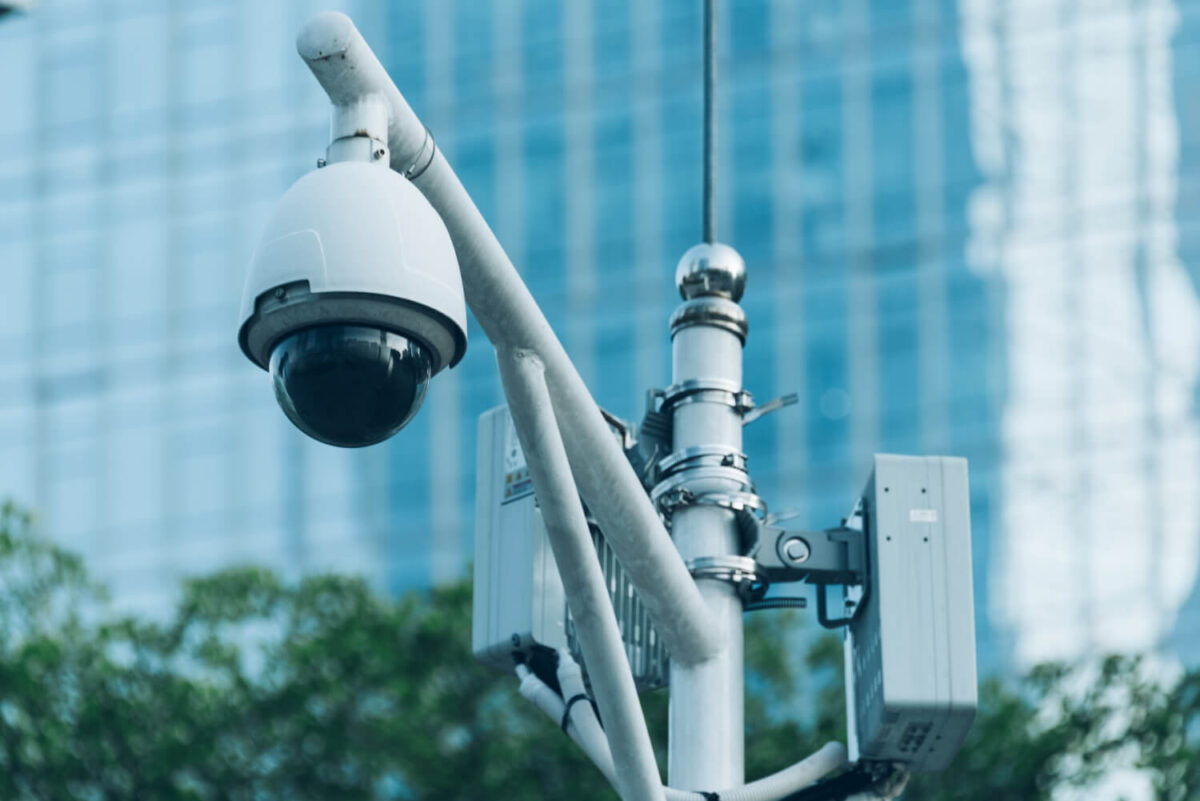
PTZ Cameras (Pan-Tilt-Zoom)
- Allow operators to control camera movement
- Useful for large areas like warehouses or parking lots
License Plate Recognition (LPR) Cameras
- Capture and log vehicle plate data
- Useful for gated properties and high-security environments
Integration with Business Security Systems
The most effective camera systems are part of a larger, integrated solution.
Commercial surveillance can be connected with:
- Alarm systems
- Access control systems
- Motion detection and alerts
This creates a unified system that improves both security and operational awareness.
Industries That Benefit Most from Commercial Surveillance
Businesses across multiple industries rely on camera systems for protection and visibility.
Common applications include:
- Retail stores and shopping centers
- Warehouses and industrial facilities
- Office buildings
- Medical clinics and facilities
- Multi-tenant commercial properties
Each environment requires a system tailored to its specific risks and layout.
Common Mistakes Businesses Make
When selecting a camera system, businesses often:
- Choose consumer-grade equipment for commercial use
- Underestimate coverage needs
- Ignore storage and retention requirements
- Install cameras without a strategic layout
These mistakes can result in gaps in security and reduced system effectiveness.
Cost of Commercial Security Camera Systems
Pricing varies depending on system size and complexity.
Typical ranges:
- Small systems: $1,000–$3,000
- Mid-size systems: $3,000–$10,000
- Large or multi-site systems: $10,000+
Factors that affect cost include:
- Number of cameras
- Resolution and features
- Installation complexity
- Storage requirements
Choosing the Right System for Your Business
The right surveillance system should be designed around:
- Building layout and square footage
- Risk level and exposure
- Operational needs
- Future scalability
A properly designed system not only improves security—but also provides visibility into daily operations.
Final Consideration: Equipment vs. System Design
The effectiveness of a camera system is not just about the cameras—it’s about how the system is designed and implemented.
Businesses that invest in properly designed systems gain:
- Better coverage
- More reliable performance
- Stronger long-term value
If you’re evaluating security camera systems for your business, the most effective approach is a system designed around your facility—not a pre-packaged setup.
or call 601-605-1057 to speak with a security specialist.