
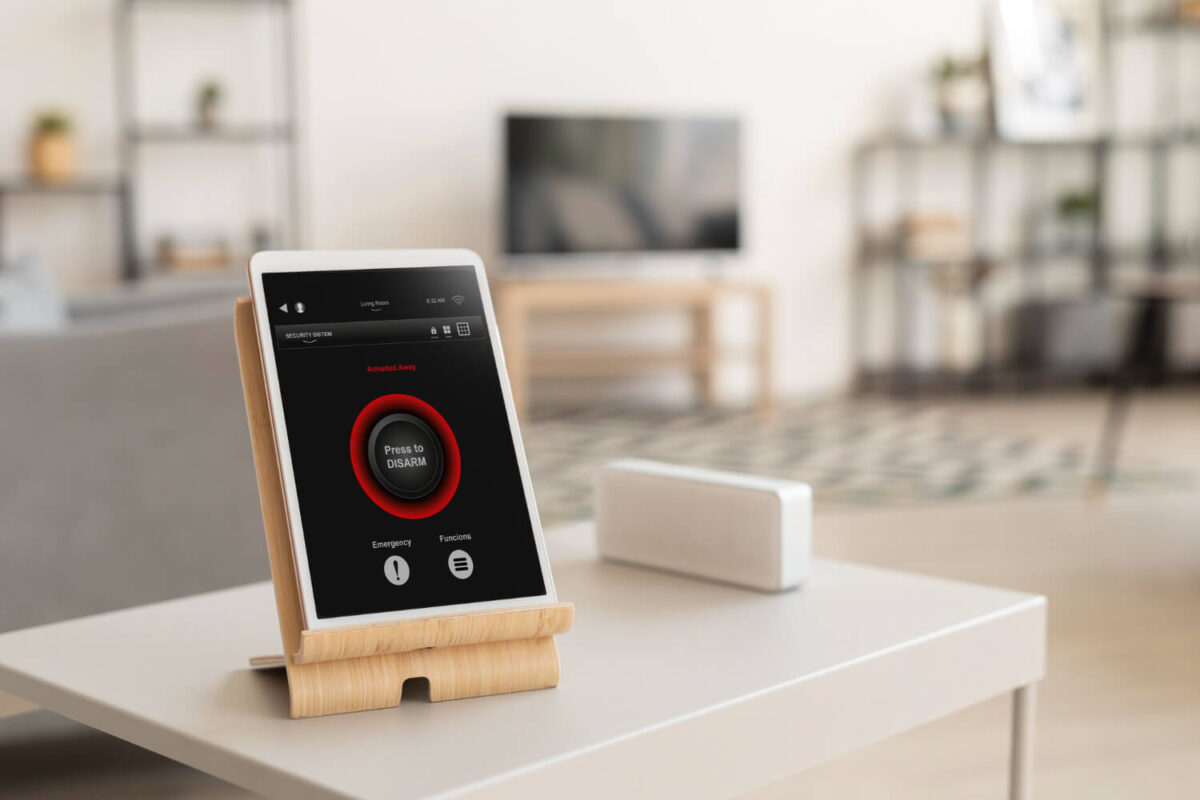
Most people understand what an alarm system does—but not how it actually works.
Understanding how a security system functions helps property owners make better decisions about coverage, monitoring, and overall protection.
What Is an Alarm System?
An alarm system is designed to detect unauthorized activity and trigger a response.
At its core, the system monitors specific points on a property and activates when a threat or abnormal condition is detected.
These systems are used in both:
- Residential homes
- Commercial properties
The Core Components of an Alarm System
A typical alarm system includes several key components working together.
Control Panel
The control panel is the central hub of the system.
It:
- Receives signals from sensors
- Processes activity
- Sends alerts or triggers alarms
Sensors & Detection Devices
Sensors are placed throughout the property to detect activity.
Common types include:
- Door and window sensors
- Motion detectors
- Glass break sensors
These devices monitor entry points and movement within the space.
Alarm Output (Sirens & Alerts)
When the system is triggered, it activates:
- Audible alarms (sirens)
- Notifications to the user
- Signals to a monitoring center (if monitored)
The goal is to alert occupants and deter intruders immediately.
Communication System
Alarm systems use communication methods to send signals, including:
- Cellular networks
- Internet (Wi-Fi or wired connection)
- Backup communication paths
Reliable communication ensures alerts are delivered without interruption.
What Happens When an Alarm Is Triggered?
When a sensor detects activity, the system follows a sequence:
1.Detection
A sensor is activated—for example:
- A door is opened
- Motion is detected
- Glass is broken
2. Signal Sent to Control Panel
The sensor sends a signal to the control panel, which determines whether the activity is authorized.
3. Alarm Activation
If the system is armed and the activity is unauthorized:
- The siren sounds
- Alerts are generated
4. Notification or Monitoring Response
If the system is not monitored:
- The user receives a notification
- The user must respond
If the system is monitored:
- A signal is sent to a monitoring center
- Operators assess the situation
- Emergency services may be dispatched
Types of Alarm System Monitoring
Alarm systems can operate in different ways depending on monitoring setup.
Self-Monitored Systems
- Send alerts directly to the user
- No automatic emergency response
Professionally Monitored Systems
- Connected to a 24/7 monitoring center
- Provide immediate response and dispatch
Monitoring is what transforms an alarm system from notification to protection.
False Alarms and System Accuracy
False alarms can occur, but modern systems are designed to minimize them.
Common causes include:
- User error (incorrect arming/disarming)
- Improper sensor placement
- Environmental factors
Professional installation and system configuration significantly reduce false alarms.
Alarm Systems Beyond Intrusion
Modern alarm systems do more than detect break-ins.
They can also monitor for:
- Fire (smoke and heat detection)
- Carbon monoxide
- Environmental hazards
This expands protection beyond security into life safety.
Integration with Other Security Systems
Alarm systems are often part of a larger security solution.
They can integrate with:
- Surveillance cameras (visual verification)
- Access control systems (entry management)
- Mobile apps (remote control and alerts)
Integration improves both security and usability.
Reliability & Backup Systems
A properly designed alarm system includes safeguards to ensure continuous operation.
These may include:
- Backup batteries during power outages
- Cellular communication if internet fails
- Redundant system checks
Reliability is critical—especially during emergencies.
Why System Design Matter
The effectiveness of an alarm system depends on more than just equipment.
Proper design ensures:
- Full coverage of entry points
- Correct sensor placement
- Seamless system operation
Even high-quality equipment can fail if the system is not designed correctly.
Final Consideration: Detection Is Only the First Step
Alarm systems are designed to detect threats—but detection alone is not enough.
An effective system provides:
- Detection
- Notification
- Response
Understanding how these components work together is key to choosing the right level of protection.
If you’re evaluating how an alarm system should be designed for your property, the best approach is a system built around your layout, risks, and usage.
or call 601-605-1057 to speak with a security specialist.